
Muscle Integrity Myopathy (formerly "PSSM2") in horses
The smooth and highly complex interaction required for proper muscular function depends on many genes and requires an environment that meets the horse’s physiological needs. With regard to the role of genes, some act as critical control points, while others function more like gears within a large mechanical system. Defects may have dramatic consequences or may be compensated, at least partially or temporarily, through various biological mechanisms. The resulting muscle disorders often present with a similar and diffuse spectrum of clinical signs, collectively referred to as “exertional myopathy.”
We use the term MIM (Muscle Integrity Myopathy) to describe those forms of exertional myopathy in which the muscle cells are primarily impaired in their structure (due to defective proteins) and/or in their function (such as impaired detoxification processes or disturbed signal conduction).
As with all forms of exertional myopathy, environmental conditions also play a major role in the development and severity of MIM.
What are the possible symptoms of Muscle Integrity Myopathy?
Common symptoms include:
• Pain-related changes in temperament and behaviour
• Difficulty with gait changes, coordination
• Lack of power from the hindquarters
• Difficulty building muscle (especially hindquarters and topline/shoulders)
• Shifting, unexplained lameness
• Muscle stiffness in the hindquarters or topline, often requiring a long warm-up time
• High muscle tension or muscle tremors/cramping, often aggravated by cold weather or stress
• Muscle loss in the hindquarters and topline, and/or focal muscle atrophy (appearing like kick marks)
• Ataxic gait/coordination problems
• Blood levels of Creatinine Kinase (CK) and Aspartate Aminotransferase (AST) are usually within normal limits, even with obvious symptoms of muscle disease
Breeds affected of Muscle Integrity Myopathy (formerly known as 'PSSM2')
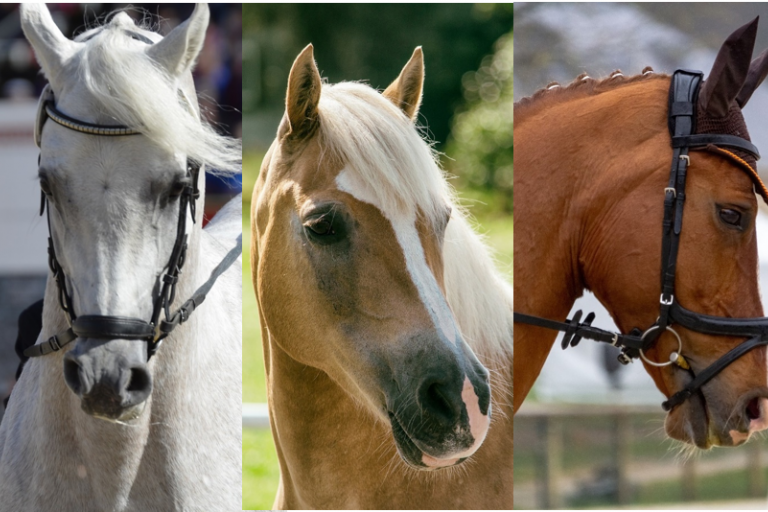
Which breeds can be affected from Muscle Integrity Myopathy (formerly known as ('PSSM2')?
Most breeds can be affected with the symptoms of MIM.
The P2, P3, P4, Px, P8, and K1 variants have been found in nearly all breeds of horses; in Icelandic horses only the P8, K1 and (rarely) P3 variants have been found.
Which Genes are involved with MIM
Six semi-dominant gene variants (P2, P3, P4, P8, Px and K1) are currently being investigated as risk factors for the occurrence of Muscle Integrity Myopathy symptoms. Test in Shop
MYOT (P2)
The MYOT gene encodes the structural protein myotilin, which plays an important role in stabilizing the thin filaments during muscle contraction. Myotilin binds F-actin and crosslinks actin filaments. In humans, mutations in myotilin cause MFM3 (myofibrillar myopathy type 3). This disease is very rare, occurs between 50 and 77 years of age, and its main symptoms are progressive distal muscle weakness and peripheral neuropathy. In horses, the mutation MYOT, chr14:37,818,823 A/G in the orthologous gene causes an amino acid substitution that impairs the binding of the variant myotilin to actin.
FLNC (P3)
The Filamin C gene (FLNC, equine mutation P3) encodes an actin-binding protein involved in linking the actin filament to the Z-disc. The Z-disc defines the boundaries of the sarcomeres within a myofibril. The heterozygous presence of the defective gene leads to a partial loss of function. In humans, mutations in the FLNC gene are associated with myofibrillar myopathy type 5 (MFM5), an adult-onset disease characterized by progressive skeletal muscle weakness that may also affect the respiratory system and the heart. Biopsy findings vary considerably depending on the muscle examined and the stage of the disease.
MYOZ3 (P4)
Myozenins are considered intracellular binding proteins that link other proteins active at the Z-disc (α-actinin, γ-filamin, TCAP/telethonin, LDB3/ZASP). In addition, myozenin 3 plays a significant role in the action of calcineurin on the sarcomere. In humans, no mutations have yet been described that would alter the encoded protein. The equine P4 mutation is chr14:26,710,261 G/A.
PYROXD1 (P8)
The PYROXD1 gene (Pyridine Nucleotide-Disulfide Oxidoreductase Domain 1) encodes a protein important for the defense against reactive oxygen species (ROS). Such radicals are continuously generated during normal cellular metabolism and intercellular signaling. To prevent ROS from damaging DNA, they must be neutralized and eliminated. The protein encoded by PYROXD1 is one such antioxidant molecule and is therefore an essential component of the cellular defense system against oxidative stress.
In humans, mutations in PYROXD1 cause myofibrillar myopathy type 8 (MFM8), which can occur in both children and adults. It is characterized by slowly progressive proximal muscle wasting and weakness. In horses, the mutation (chr6:48,924,749 G/C) causes an amino acid substitution at a highly conserved site within the PYROXD1 protein, reducing its functionality.
Its importance is supported by experiments in model organisms. In yeast cells, targeted mutations in the PYROXD1 gene reduce reductase activity, while zebrafish knockdown models demonstrate its particular relevance in muscle tissue. Knockout of PYROXD1 results in impaired swimming ability.
CACNA2D3 (Px)
The CACNA2D3 gene (Calcium Voltage-Gated Channel Auxiliary Subunit Alpha2 Delta 3; equine mutation Px: chr16:34,635,494 T/C) encodes a protein that forms part of a regulatory subunit of the calcium channel DHPR (dihydropyridine receptor), which contributes to the signaling processes triggering muscle contraction. In the context of MIM (PSSM2), the Px variant appears to aggravate the effects of other variants.
The Px mutation does not alter the encoded protein. It is suspected either to exert a direct effect through modulation of splicing mechanisms or to represent an indirect marker linked to another pathogenic mutation. Px is regarded as a risk factor for recurrent exertional rhabdomyolysis (RER) in several Thoroughbred and Arabian horse families. The high allele frequency observed in certain warmblood breeds may reflect a potential performance advantage associated with the Px variant in sport horses.
COL6A3 (K1)
The COL6A3 gene encodes collagen type VI alpha 3. This chain-like molecule combines with two structurally related proteins to form a collagen type VI (COL6) molecule. COL6 is a major structural protein of the extracellular matrix throughout the body and is synthesized primarily by fibroblasts. In muscle tissue, COL6 is a key protein of the endomysium. The clinical manifestations of COL6 defects depend on the specific effects of mutations within the COL6 genes.
In humans, numerous hereditary disorders are known to result from defects in COL6 collagen, including Bethlem myopathy and congenital Ullrich muscular dystrophy, both of which, like the equine K1 variant, involve defects in the COL6A3 gene.
In horses, the K1 variant (equine mutation K1: chr6:23,416,882 C/G) leads to the substitution of a single amino acid within the COL6A3 protein. As a consequence, the interaction between the three subunits is impaired, resulting in the formation of an aberrant and only partially functional COL6 collagen molecule.
MIM - 6 Var. test results interpretation
The MIM-6-Var. test is not a diagnostic test.
The test has been setup to investigate whether a horse, based on its genetic profile in the genes examined, has a predisposition to develop symptoms of exertional myopathy. If such predispositions are present, the risk of disease is increased.
The degree of susceptibility depends on the number of altered genes, their biological function, and the prevailing environmental conditions.
Tests for genetic risk factors must not be equated with tests for monogenic hereditary diseases.
In monogenic disorders with a clearly defined genotype–phenotype relationship, diagnostic parameters such as sensitivity and specificity can usually be determined relatively clearly and assessed within the framework of validation studies.
For risk-factor tests targeting multifactorial diseases such as the MIM-6-Var. test in assessments of Exertional Myopathy, this is considerably more complex, since environmental influences, additional genes, and individual variation substantially affect the actual manifestation of the disease. Consequently, the significance of such tests more commonly relates to an increased risk or predisposition rather than to a direct prediction of the clinical phenotype.
Examples for Interpretation are described here: Understand MIM-6-Test
Recommendations for breeding
As a general principle, breeding animals must be in excellent health, regardless of any DNA test results.
However, genetic testing is indispensable for identifying healthy carriers in order to avoid carrier-to-carrier matings that could result in homozygously affected offspring.
This approach, established for monogenic disorders with autosomal recessive inheritance, may also serve as a conceptual framework when evaluating how to manage risk factors such as the MIM variants.
This means that healthy horses carrying one or even several variants of the genes associated with Muscle Integrity Myopathy (MIM) should not automatically be considered diseased and therefore excluded from breeding. The presence of a given variant does not necessarily mean that a horse will develop disease.
Horses that are well managed through appropriate husbandry and nutrition often show no clinical limitations. Thanks to DNA testing, it is possible to selectively avoid accumulations of risk variants in offspring that may eventually exceed the body’s compensatory capacity.
The Px variant is currently still under evaluation. Current reports suggest that the Px variant mainly becomes a significant problem when found in combination with other variants. For example, a horse with the genotype n/P3 is generally considered less susceptible than a horse carrying both n/P3 and n/Px.
Literature
McCue ME et al. (2008). „Glycogen synthase (GYS1) mutation causes a novel skeletal muscle glycogenosis.“ Genomics. 91(5):458-66. PMID: 18358695.
McCue ME et al. (2008). „Glycogen synthase 1 (GYS1) mutation in diverse breeds with polysaccharide storage myopathy.“ Journal of Veterinary Internal Medicine. 22(0):1228–1233. PMID: 18691366.
McCue ME et al. (2009). „Polysaccharide storage myopathy phenotype in quarter horse-related breeds is modified by the presence of an RYR1 mutation.“ Neuromuscular Disorders. 19(0):37–43. PMID: 19056269.
McCue ME et al. (2009). „Comparative skeletal muscle histopathologic and ultrastructural features in two forms of polysaccharide storage myopathy in horses.“ Vet Pathol. 46(6):1281-1291. PMID: 19605906.
Maile CA et al. (2017). „A highly prevalent equine glycogen storage disease is explained by constitutive activation of a mutant glycogen synthase.“ Biochim Biophys Acta.. 1861(1):3388-3398. PMID: 27592162.
Valberg SJ et al. (2016). „Suspected myofibrillar myopathy in Arabian horses with a history of exertional rhabdomyolysis.“ Equine Vet J.. 48(5):548-556. PMID: 26234161.
Lewis SS et al. (2017). „Clinical characteristics and muscle glycogen concentrations in warmblood horses with polysaccharide storage myopathy“ Am J Vet Res. 78(11):1305-1312. PMID: 29076373.
Weitere Informationen sind auf der Webseite EquiSeq verfügbar.